
Indian Healthcare Recruitment for GCC Hospitals and Clinics
Working in Healthcare Across the GCC

Indian Healthcare Recruitment for GCC Hospitals and Clinics
India trains one of the largest pools of nurses, doctors and allied health professionals in the world, and many have worked in high-volume tertiary hospitals before they apply abroad. For GCC employers, that means candidates who are used to busy wards, English-language clinical practice and multidisciplinary teams. The challenge is not finding applicants. It is finding the right ones quickly, verifying their credentials, and getting them licensed and mobilised without months of delay. That is the work 360Medicare does for you.
Your Trusted Healthcare Recruitment Partner for the GCC
360Medicare is a trusted healthcare recruitment partner specialising in connecting hospitals, clinics, medical centres, and healthcare organisations across the GCC with qualified and experienced healthcare professionals. Backed by a dedicated team of 50+ recruiters and offices in Dubai, Kochi, Bangalore, and Coimbatore, we have built a strong candidate pool across multiple healthcare specialities. Our extensive talent network, industry expertise, and streamlined recruitment process enable us to support healthcare employers in finding the right professionals to meet their staffing requirements efficiently.
1. Nursing Professionals
- Staff Nurses and Registered Nurses
- ICU Nurses
- Emergency and Critical Care Nurses
- Operating Theatre (OT) Nurses
- NICU and PICU Nurses
- Paediatric Nurses
- Medical-Surgical Nurses
- Dialysis Nurses
- Oncology Nurses
- Cardiac Care Nurses
- Labour and Delivery Nurses
- Midwives
- Nurse Managers and Nursing Supervisors
- Head Nurses and Nursing Directors
- Infection Control Nurses
- Home Healthcare Nurses
2.Doctors and Medical Specialists
- General Practitioners (GPs)
- Family Medicine Physicians
- Emergency Medicine Physicians
- Internal Medicine Specialists
- Paediatricians
- Obstetricians and Gynaecologists
- Cardiologists
- Orthopaedic Surgeons
- Gastroenterologists
- Intensive Care Specialists
- General Surgeons
- Anaesthesiologists
- Radiologists
- Dermatologists
- Psychiatrists
- Ophthalmologists
- ENT Specialists
- Urologists
- Other Consultant and Specialist Physicians
3. Allied Healthcare Professionals
- Physiotherapists
- Occupational Therapists
- Speech and Language Therapists
- Respiratory Therapists
- Clinical Psychologists
- Medical Laboratory Technologists
- Radiographers and Imaging Technologists
- MRI and CT Technologists
- Dialysis Technicians
- Operation Theatre Technicians
- Anaesthesia Technicians
- ECG and Cardiac Technicians
- EEG and Neurophysiology Technicians
- Medical and Surgical Assistants
- Emergency Medical Technicians (EMTs)
- Paramedics
- Audiologists
- Dietitians and Clinical Nutritionists
4.Pharmacy Professionals
- Clinical Pharmacists
- Hospital Pharmacists
- Community Pharmacists
- Pharmacy Technicians
- Senior Pharmacists
- Pharmacy Managers
5.Laboratory and Diagnostic Professionals
- Medical Laboratory Technologists
- Laboratory Technicians
- Laboratory Supervisors
- Microbiology Technologists
- Histopathology Technologists
- Biochemistry Technologists
- Haematology Technologists
- Blood Bank Technologists
- Phlebotomists
- Molecular Diagnostics Professionals
6. Hospital Administration and Management
- Hospital Administrators
- Hospital Operations Managers
- Medical Directors
- Nursing Administrators
- Quality Assurance Managers
- Healthcare Quality Officers
- Patient Relations Officers
- Medical Records Officers
- Health Information Management Professionals
- Insurance and Medical Claims Officers
- Medical Billing and Coding Specialists
- Healthcare HR Professionals
- Patient Experience Coordinators
7. Other Healthcare and Support Professionals
- Dental Surgeons and Dentists
- Dental Assistants and Dental Hygienists
- Optometrists and Opticians
- Medical Assistants
- Healthcare Coordinators
- CSSD Technicians
- Bulk Recruitment and Project Hiring for Healthcare Organisations
- Infection Prevention and Control Professionals
- Biomedical Engineers and Technicians
- Healthcare IT Professionals
- Medical Equipment Technicians
- Home Healthcare Professionals
- Other specialised clinical and non-clinical healthcare staff
360Medicare specialises in bulk recruitment and project-based hiring for newly opened hospitals, expanding healthcare facilities, and large-scale staffing requirements across the GCC. Our dedicated recruitment team can manage high-volume hiring campaigns, candidate screening, shortlisting, interview coordination, and recruitment support tailored to your project timelines. We can organise face-to-face interviews at our offices in Kerala, Bangalore, and Coimbatore, or conduct interviews online to accommodate your hiring needs. Partner with 360Medicare to build a qualified healthcare workforce efficiently and support your organisation’s growth across the GCC.
United Arab Emirates (UAE)
The United Arab Emirates is home to a swiftly evolving healthcare industry, supported by substantial investments from both public and private sectors. Cities such as Dubai and Abu Dhabi feature internationally recognized hospitals and provide some of the most competitive employment opportunities in the area. The nation draws numerous healthcare professionals annually because of its contemporary work setting, tax-exempt earnings, and opportunities for career growth. We prepare candidates for Dataflow verification and the relevant Prometric or Pearson VUE exam, and our Dubai and Indian team can support your HR and licensing coordinators.
Roles We Recruit for Across the GCC
We provide comprehensive recruitment solutions across a wide range of healthcare specialities, supporting hospitals, clinics, diagnostic centres, and other medical facilities.
Licensing Authorities:
- Dubai Health Authority (DHA) – for healthcare roles in Dubai.
- Department of Health – Abu Dhabi (DOH) – for Abu Dhabi.
- Ministry of Health and Prevention (MOHAP) – for other emirates
Requirements:
- Recognized qualification in the field (medicine, nursing, allied health).
- Minimum of 2 years of post-graduate clinical experience.
- Valid professional license from home country.
- English proficiency (IELTS or equivalent, depending on the role).
Recruitment & Licensing Process
- Dataflow Verification (mandatory credential check).
- Prometric or Pearson VUE exam (depending on the authority)
- Employer sponsorship for license activation and visa processing

Saudi Arabia
Saudi Arabia is revamping its healthcare system as part of the Vision 2030 initiative, establishing new hospitals and medical cities. The attractive salaries, subsidized housing, and prospects in specialized care attract professionals. Employment in Saudi Arabia provides experience in a high-volume, dynamic medical setting with an increasing focus on technology and research. We handle candidate preparation for Dataflow, the Prometric exam and documentation such as the certificate of good standing.
Regulatory Body:
- Saudi Commission for Health Specialties (SCFHS)
Requirements:
- Accredited qualification
- 2+ years of experience post-qualification.
- Valid license from the country of origin.
- Prometric exam and Dataflow verification.
- Certificate of Good Standing
Recruitment & Licensing Process
- Register on the SCFHS portal
- Complete Dataflow verification and pass the Prometric exam.
- Secure an employment contract for visa application

Qatar
Qatar has positioned itself as a frontrunner in healthcare within the region, attributed to its strategic investments in institutions such as Hamad Medical Corporation and Sidra Medicine. With universal access to healthcare and an increasing need for specialists, Qatar presents an outstanding opportunity for professionals pursuing enduring clinical careers in a high-quality environment. We prepare candidates for primary source verification and the QCHP exam so they are ready for employer sponsorship.
Regulatory Body:
- Qatar Council for Healthcare Practitioners (QCHP)
Requirements:
- Recognized degree in the relevant healthcare field.
- Minimum of 2 years of clinical experience.
- Active license in home country.
- English language proficiency (IELTS or OET preferred).
Recruitment & Licensing Process
- Submit credentials for Dataflow primary source verification
- Pass the QCHP Prometric exam.
- Apply for licensing with a local sponsor (employer).

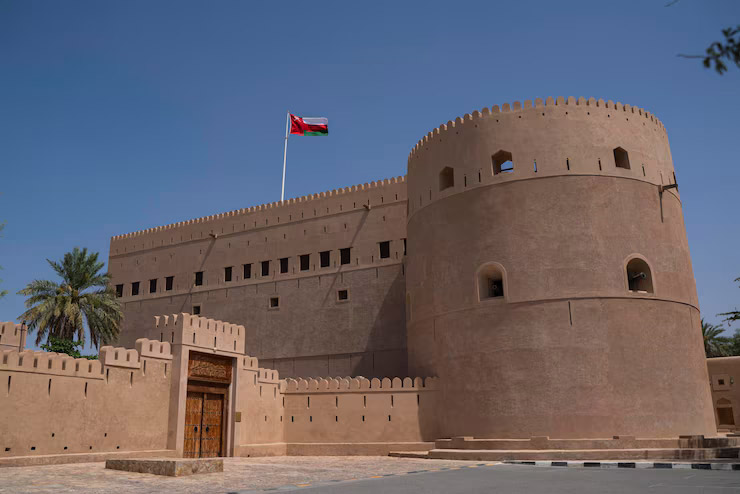
Oman
Oman's healthcare industry is progressively developing, emphasizing the improvement of primary care and medical education. The nation provides a more tranquil, traditional way of life while simultaneously presenting increasing professional prospects, especially within government hospitals and regional health facilities. We help candidates with document verification and the OMSB or equivalent exam.
Regulatory Body:
- Oman Medical Specialty Board (OMSB)
Requirements:
- Valid medical/nursing/allied health qualification.
- Typically 2–3 years of relevant clinical experience.
- Language proficiency (English mandatory, Arabic beneficial).
- Certificate of good standing
Recruitment & Licensing Process
- Submit documents for verification and OMSB review
- Take the relevant OMSB licensing exam (or Prometric equivalent)
- Secure employment offer to proceed with visa/work permit
Bahrain
Bahrain features a small but sophisticated healthcare system known for its high-quality standards and opportunities in the private sector. The country offers a balanced lifestyle, a strong community spirit, and a clear regulatory environment for foreign healthcare professionals. We support Dataflow, the profession-specific NHRA exam and the licensing application.
Regulatory Body:
- National Health Regulatory Authority (NHRA)
Requirements:
- Approved qualification and clinical experience
- Valid license in home country.
- Certificate of good standing
- English language proficiency as per role.
Recruitment & Licensing Process
- Complete Dataflow credential verification
- Take the NHRA exam (profession-specific).
- Submit a full licensing application via NHRA portal
- Job offer is required for work visa processing

Kuwait
Kuwait is making investments in new healthcare facilities and enhancing access to specialized medical services, particularly in fields such as cardiology and oncology. The Ministry of Health is responsible for the recruitment and licensing processes, which are often highly organized and necessitate comprehensive documentation. We prepare the documentation, MOH review submissions and licensing exam readiness.
Regulatory Body:
- Ministry of Health (MOH), Kuwait
Requirements:
- Accredited healthcare qualification
- 1+ years of practical experience post-qualification.
- Good health and character certification
- Language skills (English essential)
Recruitment & Licensing Process
- Submit credentials for MOH review and Dataflow verification.
- Pass the MOH licensing exam.
- Obtain sponsorship and employment offer for visa processing