
Healthcare Careers in the Ireland
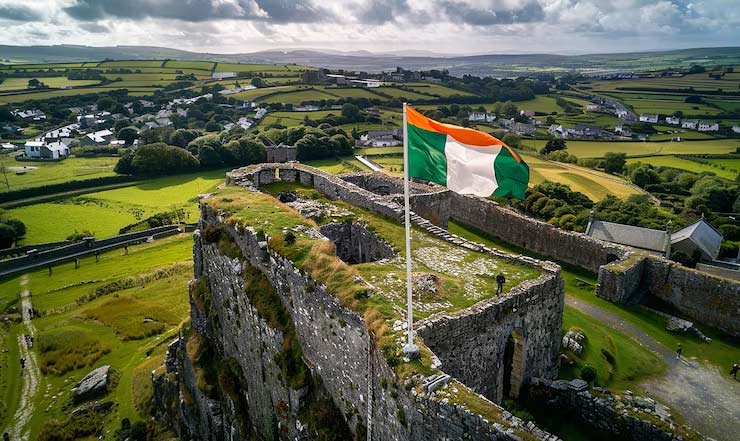
Building a Healthcare Career in Ireland
Ireland has earned global recognition for its progressive healthcare system, which combines patient-centred care, advanced technology, and a strong tradition of medical excellence. Known for its compassionate approach and continuous investment in innovation, Ireland provides a thriving environment for healthcare professionals. For those looking to practice in this dynamic sector, joining Ireland’s healthcare workforce can be a transformative step, offering countless opportunities for both career advancement and personal growth.
The Irish healthcare sector is underpinned by decades of scientific progress and professional integrity, attracting skilled workers from across the globe. The recruitment process is structured yet welcoming, ensuring international professionals are supported through clear standards, high-quality training pathways, and inclusive integration initiatives. This comprehensive guide outlines the critical steps to becoming part of Ireland’s healthcare community, covering qualifications, cultural adaptation, employment procedures, and professional growth prospects.
Understanding Ireland’s Healthcare Standards
Ireland’s healthcare system, managed through both the Health Service Executive (HSE) and private providers, emphasizes accessibility, compassion, and quality. Healthcare professionals—doctors, nurses, midwives, allied health staff, and support workers—are expected to maintain high levels of competence, integrity, and professionalism.
Recognition of International Qualifications in Ireland
The first and most essential step is the recognition of your professional qualifications.
Nurses & Midwives: Registration is carried out by the Nursing and Midwifery Board of Ireland (NMBI). Applicants must undergo a qualification assessment and may be required to complete an adaptation/assessment programme before full registration.
Doctors: Registration is regulated by the Irish Medical Council (IMC). Depending on training country and experience, doctors may need to pass the Pre-Registration Examination System (PRES).
Allied Health Professionals: Professions such as physiotherapists, radiographers, and occupational therapists register with CORU, Ireland’s multi-profession health regulator.
This recognition process ensures that your education and experience are in line with Ireland’s strict healthcare standards.
Language, Integration, and Adapting to Irish Healthcare Culture English Language Competency
Since English is the main medium of communication in Ireland’s healthcare system, proficiency is vital. Nurses and midwives generally require IELTS Academic (minimum overall band 7.0 with no component below 6.5) or OET (Occupational English Test) with Grade B in all components. Doctors must provide proof of English proficiency unless trained in an English-speaking country. Strong communication skills are essential for accurate medical interactions, patient trust, and collaborative teamwork.

Professional Integration and Cultural Adjustment
Ireland values compassion, teamwork, and patient-centred care. International professionals are encouraged to adapt to its healthcare ethics and collaborative work environment. Support initiatives often include:
- Orientation and induction programmes
- Mentorship and supervised adaptation
- Cultural awareness workshops
- From Recruitment to Registration
Healthcare professionals cannot complete this journey alone—employment in Ireland typically begins with securing a job offer, which also supports your registration and visa application.
For Nurses & Midwives
An employer may help arrange an adaptation placement or supervised practice while completing NMBI requirements.
For Doctors
Employers often assist with IMC registration and licensing
For Allied Health Professionals
Placement opportunities are coordinated after CORU recognition.
Ireland offers employment across a wide network
Public hospitals, private hospitals, elderly care facilities, and community health services. There is high demand in fields such as geriatrics, critical care, emergency medicine, and mental health.

Work Permits and Visa Options
After recognition and job placement, the next step is obtaining a valid visa or work permit. Ireland offers several tailored pathways for healthcare workers:
- Critical Skills Employment Permit: Designed for highly skilled professionals, including nurses, midwives, and certain medical specialists. This permit often leads to long-term residency.
- General Employment Permit: Available for other healthcare roles not listed on the critical skills list.
- Dependent/Spouse/Partner Permits: Allow family members to live and work in Ireland.
- These pathways ensure smooth entry for qualified healthcare professionals seeking long-term careers in Ireland.
Career Development and Quality of Life
Ireland provides more than just employment—it offers a holistic lifestyle enriched by culture, education, and community. Healthcare professionals’ benefit from:
- Attractive salaries and allowances
- Work-life balance with generous annual leave
- Social security benefits and pensions
- Opportunities for permanent residency and citizenship pathways
- rofessional Growth Opportunities
Continuous professional development is a cornerstone of healthcare practice in Ireland. Professionals can access:
- Specialist training programmes
- CPD workshops and international conferences
- Leadership and management roles in healthcare organizations
- Career progression is supported through structured training pathways, enabling both specialization and leadership advancement
Why Choose Ireland for Your Healthcare Career?
Ireland combines world-class medical standards with a welcoming environment for international healthcare workers. With clear pathways to recognition, visa support, and structured integration programmes, Ireland offers a rewarding platform to advance your clinical career while enjoying a high standard of living. Whether your goal is to pursue a specialist medical path or contribute as a dedicated nurse or allied health worker, Ireland provides the recognition, stability, and opportunities to help you thrive.
IRELAND ELIGIBILITY CRITERIA
We invite qualified and passionate nurses and healthcare professionals to build a rewarding career in Ireland. Below are the key requirements
Minimum Eligibility Requirements
- Recognized nursing/medical/allied health qualification
- Registration with NMBI, IMC, or CORU (depending on profession)
- Proof of English language proficiency (IELTS/OET)
Work Experience
A minimum of one year of relevant clinical experience (varies by role)
Language Requirements
- IELTS Academic: Overall 7.0 (min 6.5 in each band)
- OET: Grade B in all components
Age Limitts
Generally, under 45 years old for visa purposes (exceptions may apply)
Note:If you are a diploma-qualified (GNM) nurse, you may need to undergo additional adaptation or bridging programmes to meet NMBI requirements. Our team will guide you through this process step by step.
We Support You With:
- English test preparation (IELTS/OET)
- Visa and documentation guidance
- Registration process with NMBI, IMC, or CORU
- Pre-departure orientation and post-arrival assistance in Ireland