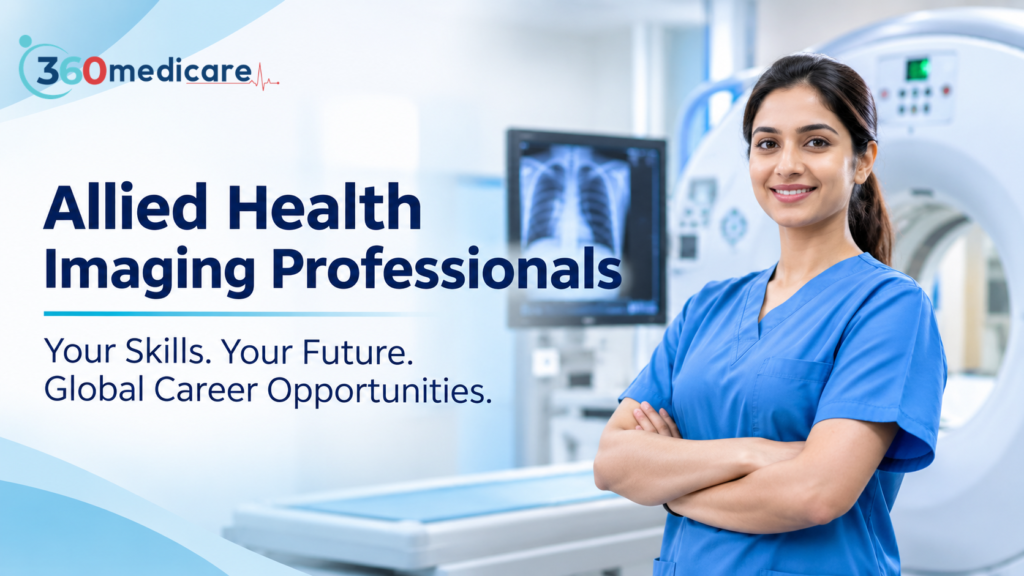
Allied Health Imaging Professionals: Career Opportunities, Qualifications and Overseas Pathways
Allied Health Imaging Professionals play a vital role in modern healthcare by helping doctors diagnose, monitor and treat various medical conditions. With advancements in diagnostic technology and increasing healthcare needs worldwide, qualified imaging professionals have opportunities to explore international career pathways
From radiography and MRI to CT scans and ultrasound, these specialists contribute to accurate diagnosis and effective patient care.
For professionals looking to expand their careers beyond their home country, destinations such as Australia offer opportunities to explore professional recognition, employment and migration pathways, subject to eligibility and current requirements.
Who Are Allied Health Imaging Professionals?
Allied health imaging professionals are trained healthcare practitioners responsible for performing diagnostic imaging procedures. They use specialised equipment and technology to capture images of internal body structures, helping doctors identify injuries, diseases and other medical conditions.
Some of the major professions in medical imaging include:
- Radiographers: Perform X-rays and other diagnostic imaging procedures to examine bones, organs and internal structures.
- MRI Technologists: Operate Magnetic Resonance Imaging equipment to produce detailed images of internal body structures.
- CT Technologists: Perform Computed Tomography scans to identify injuries, diseases and other medical conditions.
- Sonographers: Use ultrasound technology to examine organs, tissues and blood flow.
- Nuclear Medicine Technologists: Use radioactive tracers and specialised imaging equipment for diagnostic and therapeutic procedures.
These professionals work closely with radiologists, doctors, nurses and other healthcare practitioners to support quality patient care.
Why Are Medical Imaging Professionals Important in Healthcare?
Medical imaging has become an essential part of modern healthcare. Doctors rely on diagnostic imaging to identify health conditions, monitor treatment progress and make informed clinical decisions.
Some of the key contributions include:
- Early Disease Detection: Help identify medical conditions through diagnostic imaging.
- Patient Care: Ensure patients are comfortable and properly guided during imaging procedures.
- Clinical Accuracy: Follow imaging protocols to produce high-quality diagnostic images.
- Advanced Medical Technology: Operate sophisticated imaging equipment and adapt to technological developments.
- Multidisciplinary Collaboration: Work alongside doctors and other healthcare professionals to support effective patient management.
As healthcare technology continues to develop, skilled imaging practitioners remain an important part of healthcare delivery.
Career Opportunities for Imaging Professionals in Australia
Australia is an attractive destination for healthcare professionals seeking international career exposure. Its healthcare sector offers opportunities across public hospitals, private hospitals, diagnostic imaging centres and specialised healthcare facilities.
Qualified professionals can explore career opportunities in:
- Diagnostic radiography
- Computed Tomography (CT)
- Magnetic Resonance Imaging (MRI)
- Mammography
- Interventional radiography
- Nuclear medicine
- Ultrasound and sonography
Queensland Health, for example, identifies opportunities for medical imaging practitioners in emergency departments, hospital wards, operating theatres, CT, MRI and interventional procedures. Careers
The availability of positions depends on employer requirements, qualifications, professional recognition and location.
What Qualifications Do Allied Health Imaging Professionals Need to Work Abroad?
If you are planning to pursue an overseas career, having the right educational background and professional experience can make a significant difference.
Although requirements vary depending on the country and profession, some common factors include:
1. Relevant Educational Qualification
A recognised degree or diploma in radiography, medical imaging or a related discipline is generally required, depending on the role and destination country.
2. Professional Experience
Relevant clinical experience can strengthen your professional profile. Some employers may have specific experience requirements depending on the position.
3. Professional Registration
Certain countries require overseas-qualified imaging professionals to complete a professional recognition or registration process before practising.
4. English Language Proficiency
English language proficiency may be required for professional registration, employment or migration, depending on the applicable pathway.
5. Skills Assessment and Eligibility
Applicants may need to undergo qualification assessment, professional verification or other eligibility checks before proceeding.
Understanding the Australian Registration Pathway for Radiographers
For radiographers planning to work in Australia, professional recognition is an important consideration.
The Australian Health Practitioner Regulation Agency (Ahpra) and the Medical Radiation Practice Board of Australia (MRPBA) regulate medical radiation practitioners.
Internationally qualified radiographers must meet the applicable registration requirements. Their qualifications, professional background and other eligibility criteria may be assessed as part of the process.
It is also important to understand that different imaging professions have different regulatory requirements. For example:
- Radiographers need to meet the applicable MRPBA registration requirements.
- Sonographers generally need to meet the relevant accreditation requirements, including eligibility for the Australasian Sonographer Accreditation Registry (ASAR), depending on their role.
- Other imaging specialists may have different professional recognition requirements.
Careers+1
You can explore the Ahpra information for internationally qualified practitioners and the Medical Radiation Practice Board of Australia for official registration information.
Always check the latest requirements before beginning your application.
How Can Allied Health Imaging Professionals Prepare for an International Career?
Building an international healthcare career requires more than simply finding a job vacancy. Proper preparation can help you understand your options and avoid unnecessary delays.
Here are some practical steps:
- Evaluate Your Eligibility: Check whether your qualification is recognised for your intended profession and destination.
- Organise Your Documents: Keep your educational certificates, academic transcripts, experience certificates and professional registration documents ready.
- Improve Your Language Skills: Prepare for the required English language examination if applicable.
- Understand Professional Requirements: Research registration, skills assessment and qualification recognition procedures.
- Explore Employment Opportunities: Look for relevant vacancies that match your qualifications and experience.
- Understand Migration Options: Explore suitable visa pathways based on your professional eligibility and current immigration rules.
For additional information, visit the Australian Government’s Department of Home Affairs website to understand current visa requirements.
Build Your Global Healthcare Career with 360Medicare
Your expertise in medical imaging can open doors to exciting professional opportunities beyond your home country.
At 360Medicare, we support healthcare professionals who aspire to explore international career opportunities through professional guidance, recruitment and migration assistance.
Our services include guidance on:
- Australian migration pathways.
- Professional registration guidance.
- AHPRA and relevant skills assessment assistance.
- Eligibility evaluation.
- Documentation support.
- Career and migration pathway guidance.
Whether you are a radiographer, medical imaging technologist or another allied health professional, understanding the right pathway is the first step towards your international career goals.
Explore our 360Medicare website to learn more about our services and international healthcare opportunities.
You can also read more about 360Medicare and our global healthcare recruitment services.
Conclusion
Allied health imaging professionals are essential to modern healthcare, supporting accurate diagnosis and effective patient care through advanced medical technology.
With international healthcare opportunities attracting skilled professionals, now is a good time to understand your qualifications, explore professional recognition requirements and prepare for your next career move.
Your skills deserve global opportunities. Take the next step towards an international healthcare career with 360Medicare!